BEHIND THE BRAND
A bit of background.
Zeniso
In 2020 I started learning C++ through YouTube videos, when I wanted to build games in Unreal Engine. In 2023 I started CS50 (Harvard’s Introduction to Computer Science), and in 2024 I got certified with a final project inspired by Skyrim: a turn-based combat game you play from the console. You can watch it here. In May 2025 I started studying Software Development Engineering and began building NEXUS. Although, technically, I’d been learning to code since school with MicroWorlds and Scratch.
Technology was always just there, in the background of everything, to the point where it feels like I was born already holding a controller. I grew up on PlayStation 1 and PlayStation 2 games because my brother always had one running: Crash Bandicoot, Syphon Filter, Metal Gear Solid 1. I played them too, way too young to actually understand what I was doing, but I loved every second of it.
Then I got a PC, and Valve became my whole world
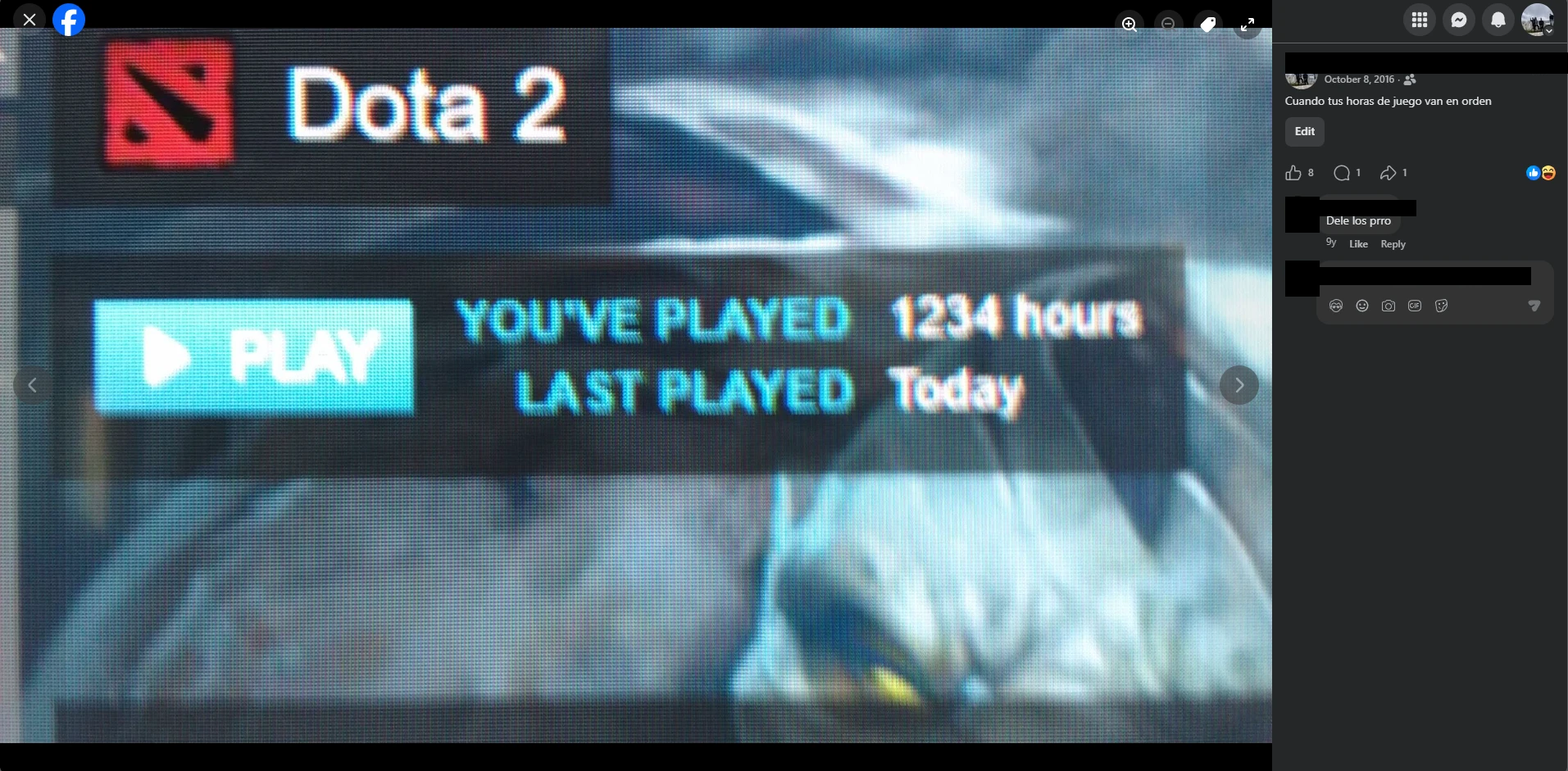
As soon as I got my first PC, Valve's games were pretty much all I knew. I don't know exactly how it happened, but by the time I was 14 I already had 1,234 hours in Dota 2, a number I immortalized in a Facebook post, because it felt too perfect not to screenshot.
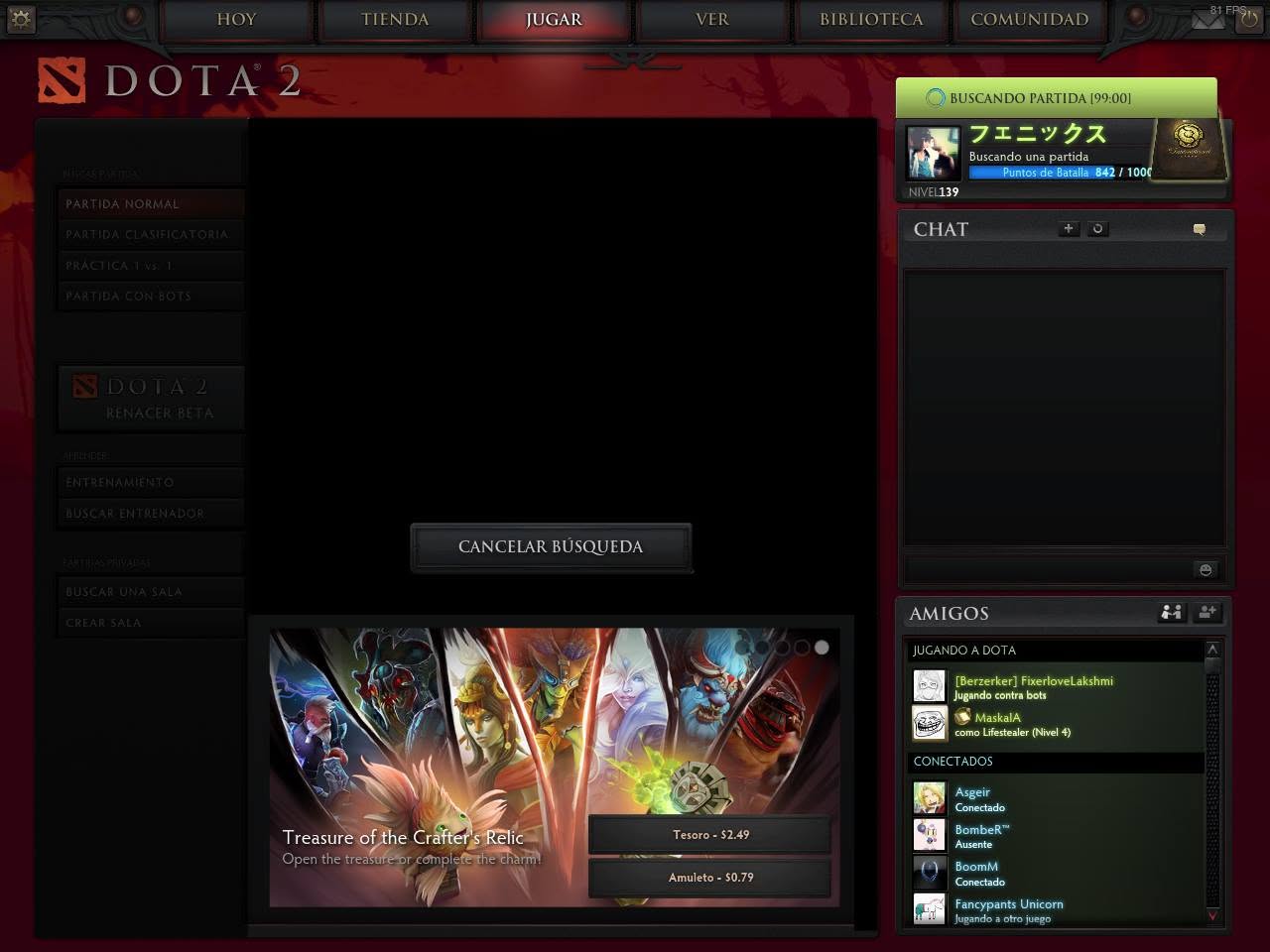
I also remember Dota 2's matchmaking having a bug where it would just sit there "searching for a match" for 99 minutes straight, going absolutely nowhere.
A computer held together by hope
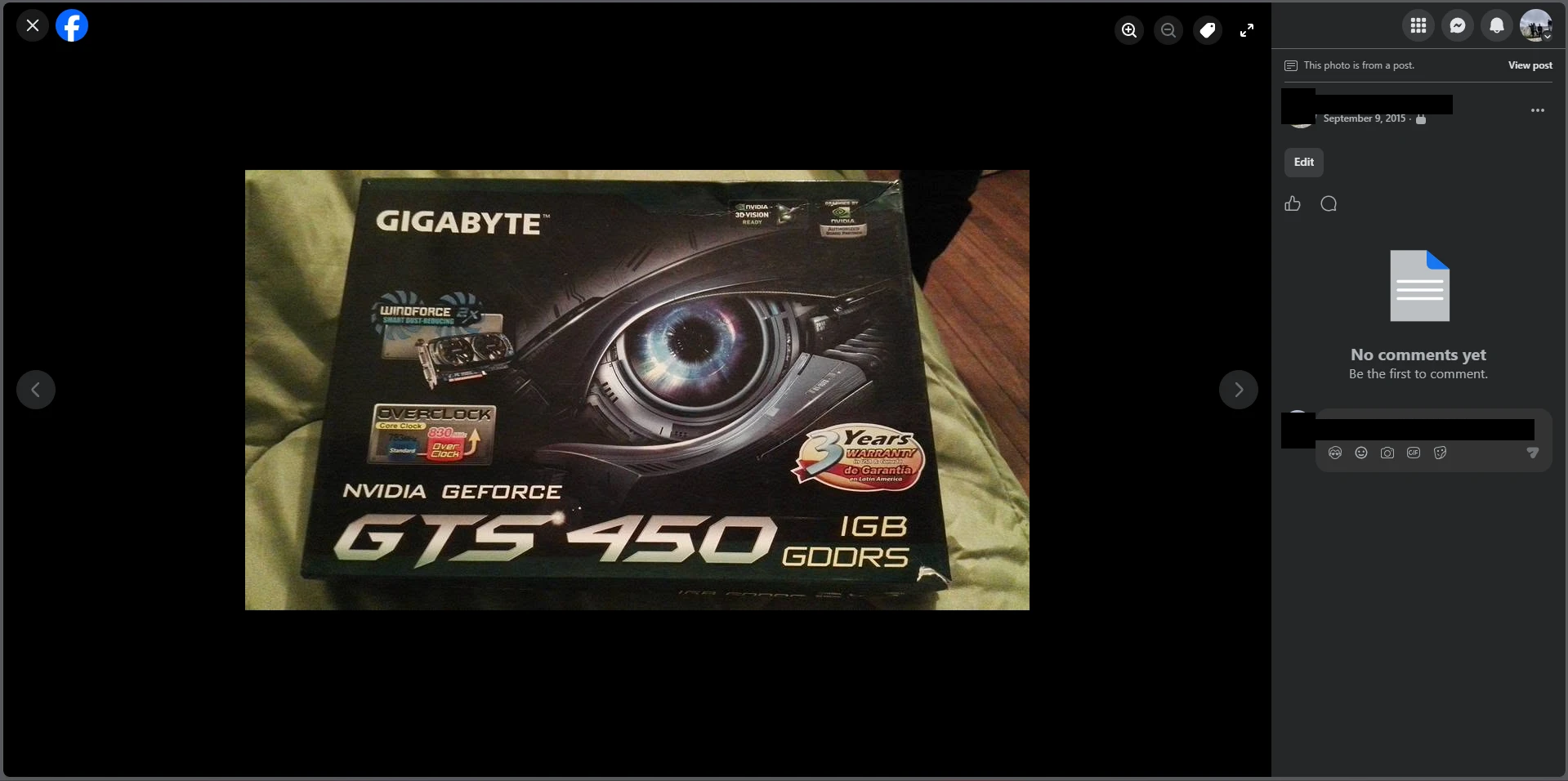
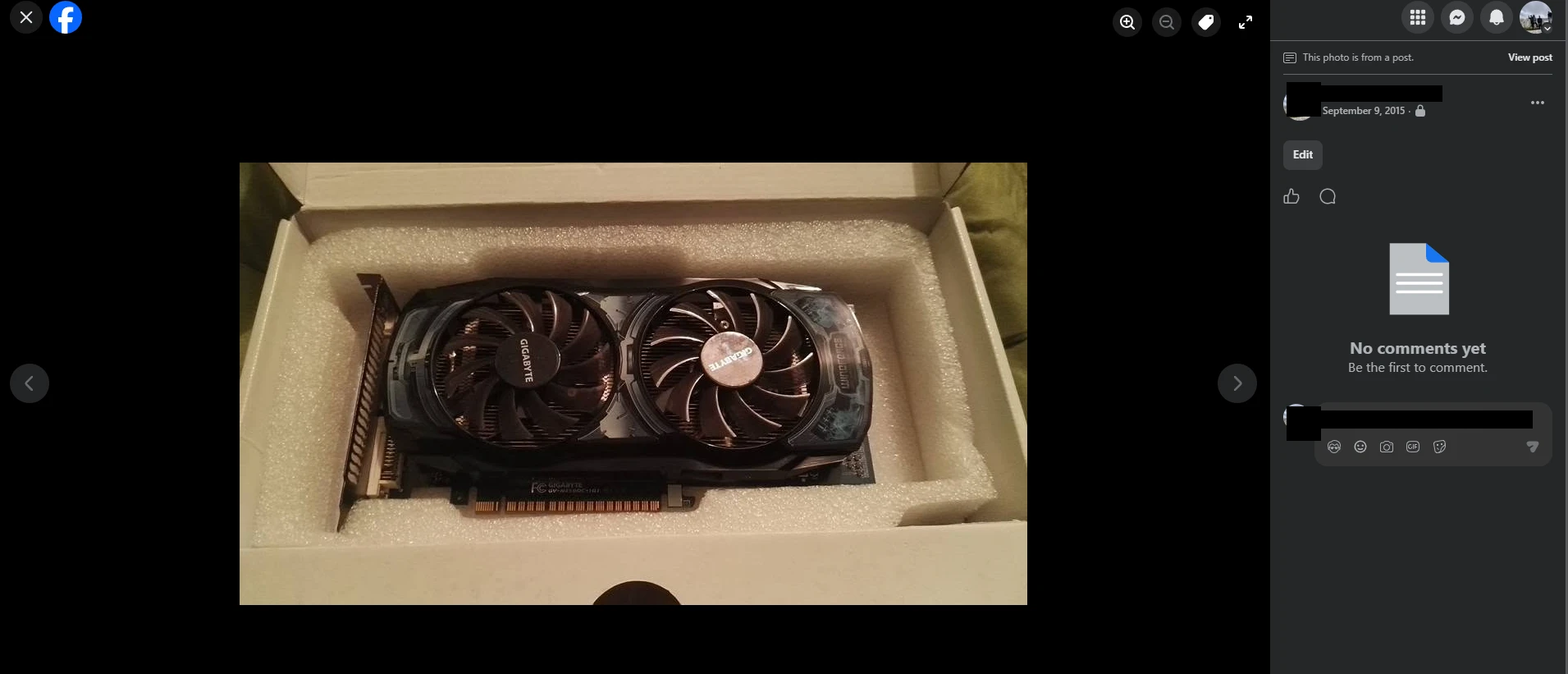
All of this ran on a terrible computer with a Pentium Dual Core, DDR3 RAM, and a "mighty" GTS 450 that created an incompatibility so bad my PC would take over an hour just to boot. I'd go shower, eat breakfast, come back, and it still hadn't turned on. A while later we figured out why: the motherboard only supported PCI Express 1.1, and the graphics card needed PCIe 2.0.
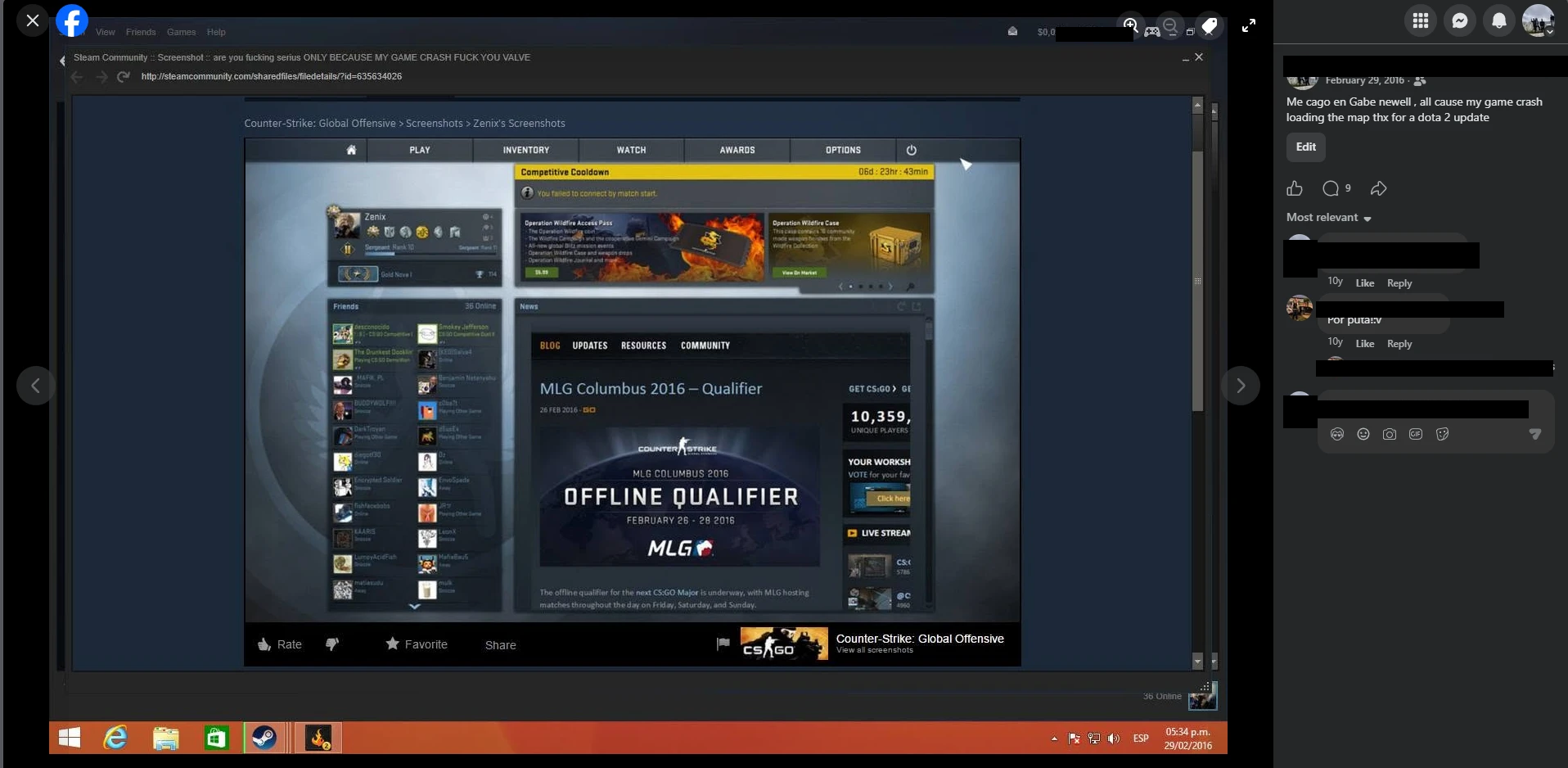
None of that stopped me from fully committing to being a gamer: speedrunning TES4: Oblivion to a level 4 finish before installing Skyrim for the first time, or rage-quitting on social media to insult Gabe Newell directly for giving me a matchmaking cooldown in CS:GO after the game crashed and I couldn't reconnect.
Planning a download like a military operation
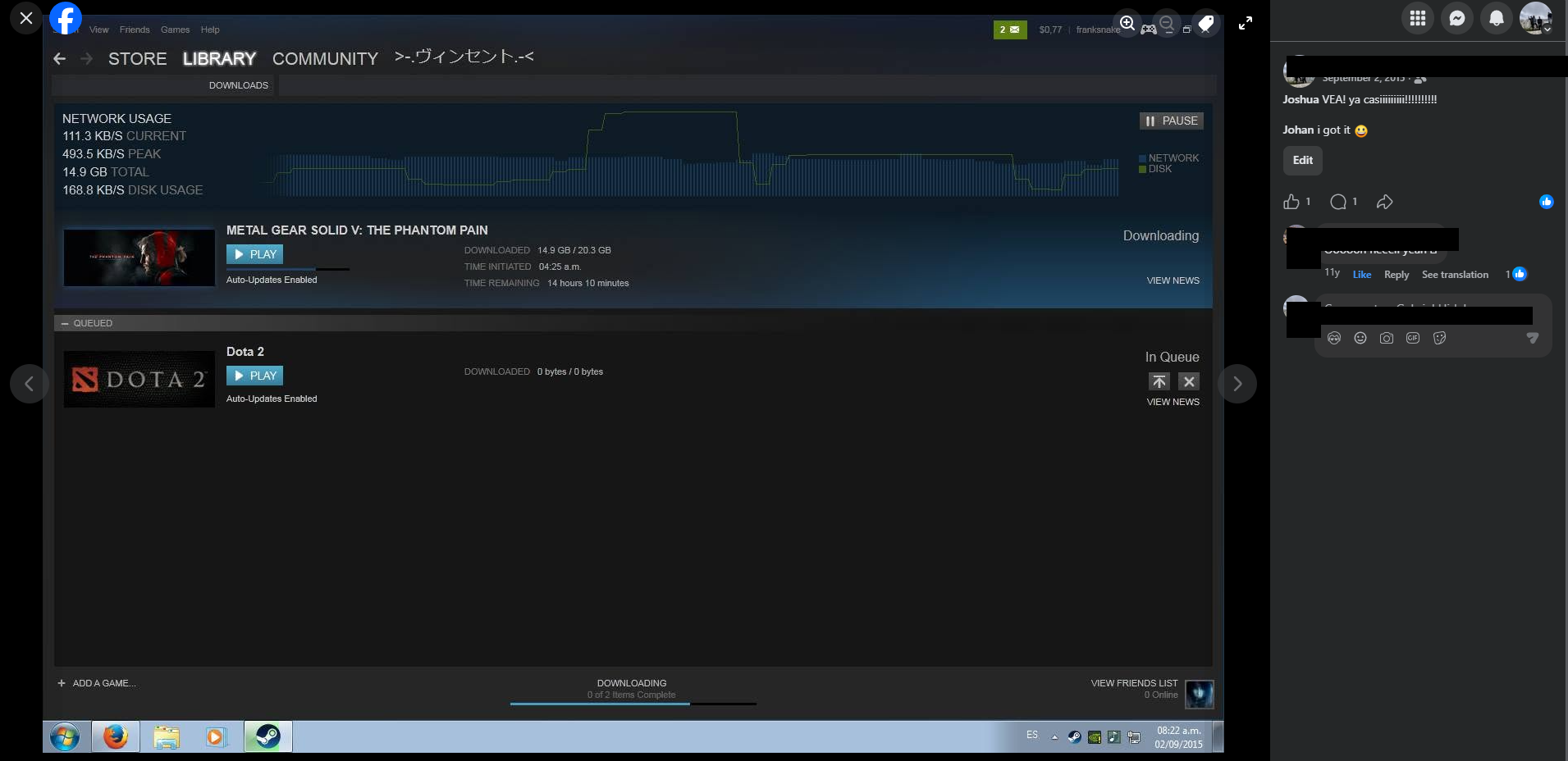
Downloading a game actually took advance planning back then. I remember when my brother bought MGSV: The Phantom Pain and we were downloading it at 100 KB/s, saying things like "let's leave the computer on, we'll play it the day after tomorrow", and meaning it.
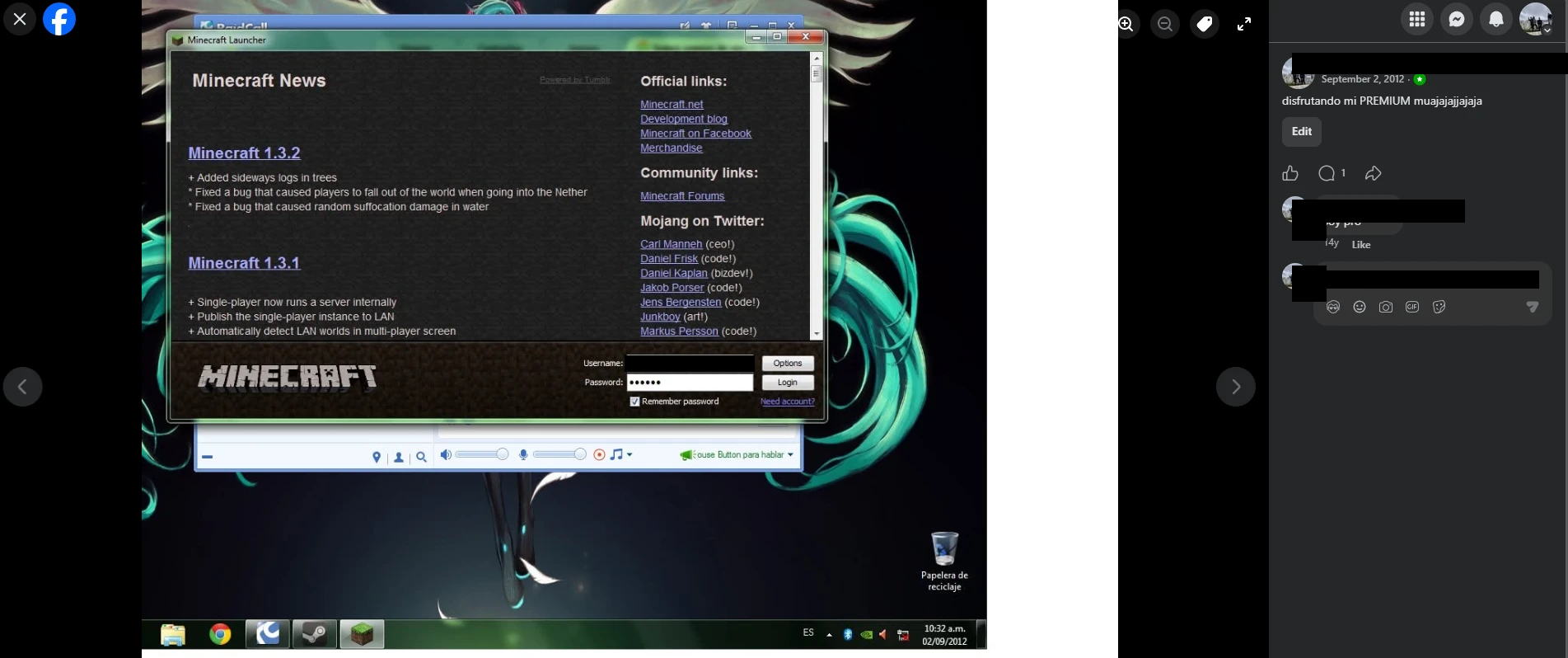
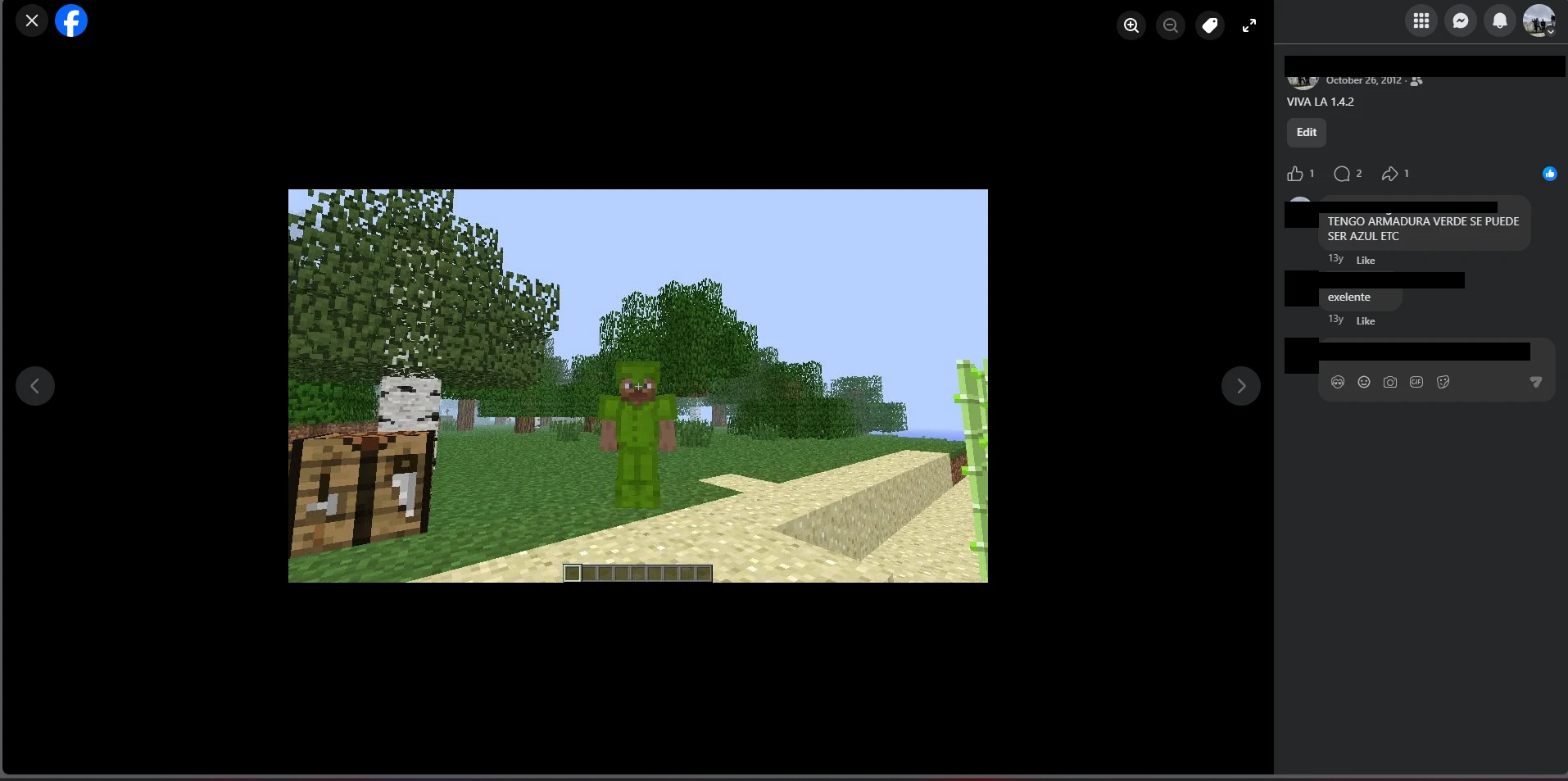
And of course, plenty of hours went into other worlds too, chasing "PREMIUM" accounts and bragging rights along the way.
From Skype to my own software
I grew up, and grew through Skype, Ventrilo, RaidCall, and TeamSpeak: every "let's talk while we play" tool there was. Eventually I got tired of it: tired of losing internet and not being able to do the things I actually liked, like streaming my screen or playing LAN games with my brother in the most straightforward way possible, instead of falling back on a game's built-in text chat if it even had one.
And that frustration with every communication tool I'd ever used is exactly where the idea for NEXUS was born: my own software, with everything I actually want and need in it.